In the small coastal town where I live, yoga studios sit between coffee shops and tide pools, and the word yoga can mean a dozen different things. For one person it is a sweaty vinyasa class that replaces their gym routine. For another, it is a quiet devotion, breath and mantra woven into a lifelong search for liberation. Most of us live somewhere in the middle.
This is not a quiz where one kind of yoga earns a gold star and the other gets a polite frown. It is an invitation to get honest about what you are seeking right now: strength, stress relief, community, healing, God, stillness, self-knowledge, or simply a place to land.
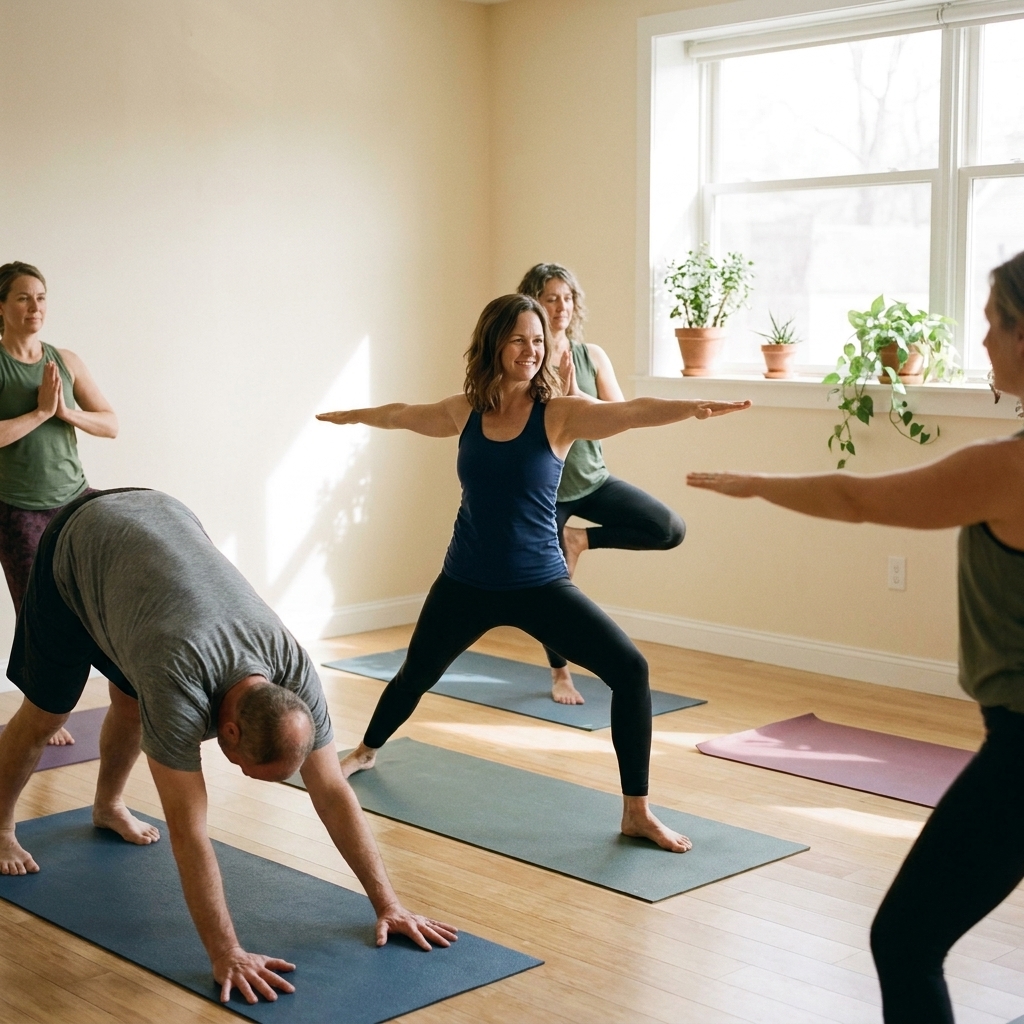
Two yogas, one word
The modern world often uses the word yoga as shorthand for posture practice. Historically, yoga is far wider than that. The Sanskrit root yuj is commonly glossed as “to yoke” or “to unite,” though scholars vary in how they frame the nuance. In many classical traditions, yoga can be understood as the work of uniting attention, ethics, breath, body, and consciousness toward freedom from suffering.
When people say “spiritual yoga,” they usually mean a practice that includes inner disciplines such as meditation, breathwork, ethical commitments, self-inquiry, devotion, and sometimes ritual. When people say “fitness yoga,” they usually mean yoga taught primarily as physical training: mobility, strength, conditioning, and stress relief.
Both can be sincere. Both can be helpful. Both can also miss the mark when they forget the human being in the room.
Spiritual yoga: a mind-body path
What it is
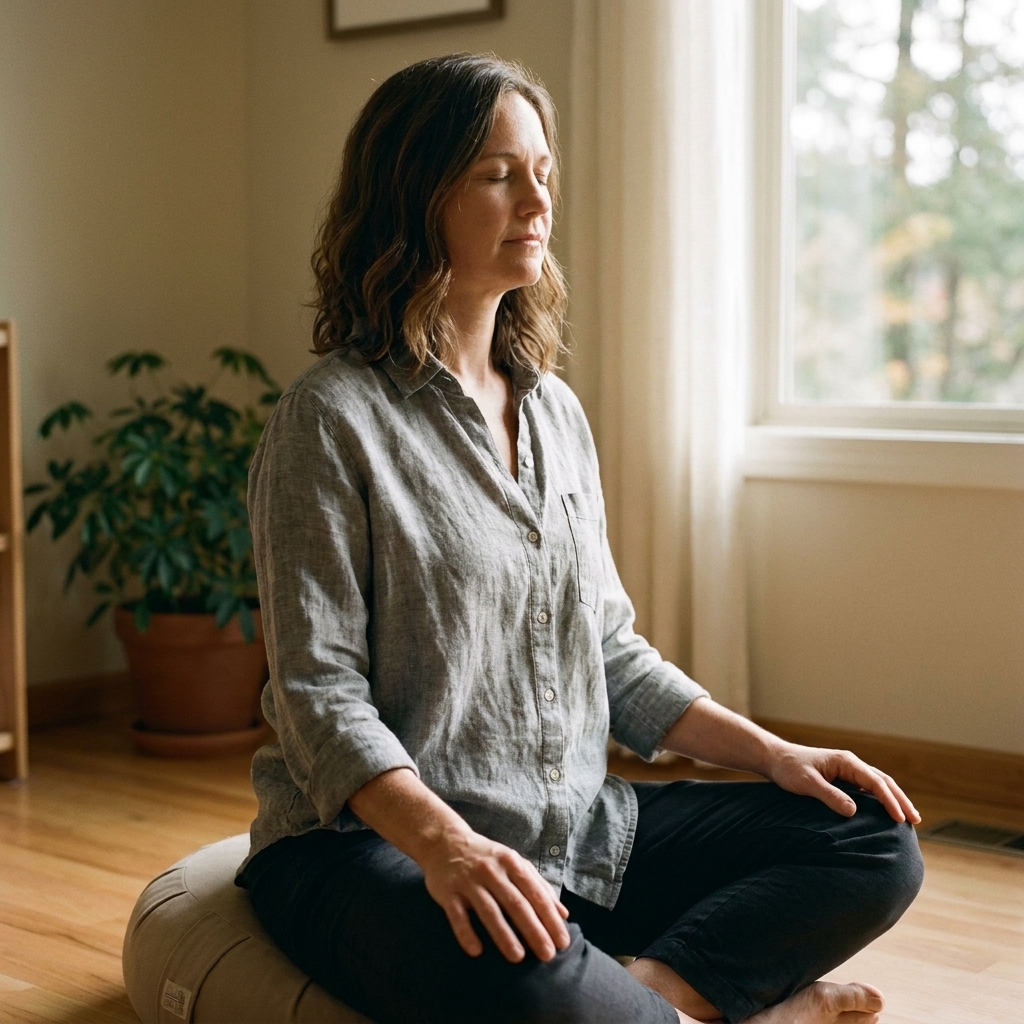
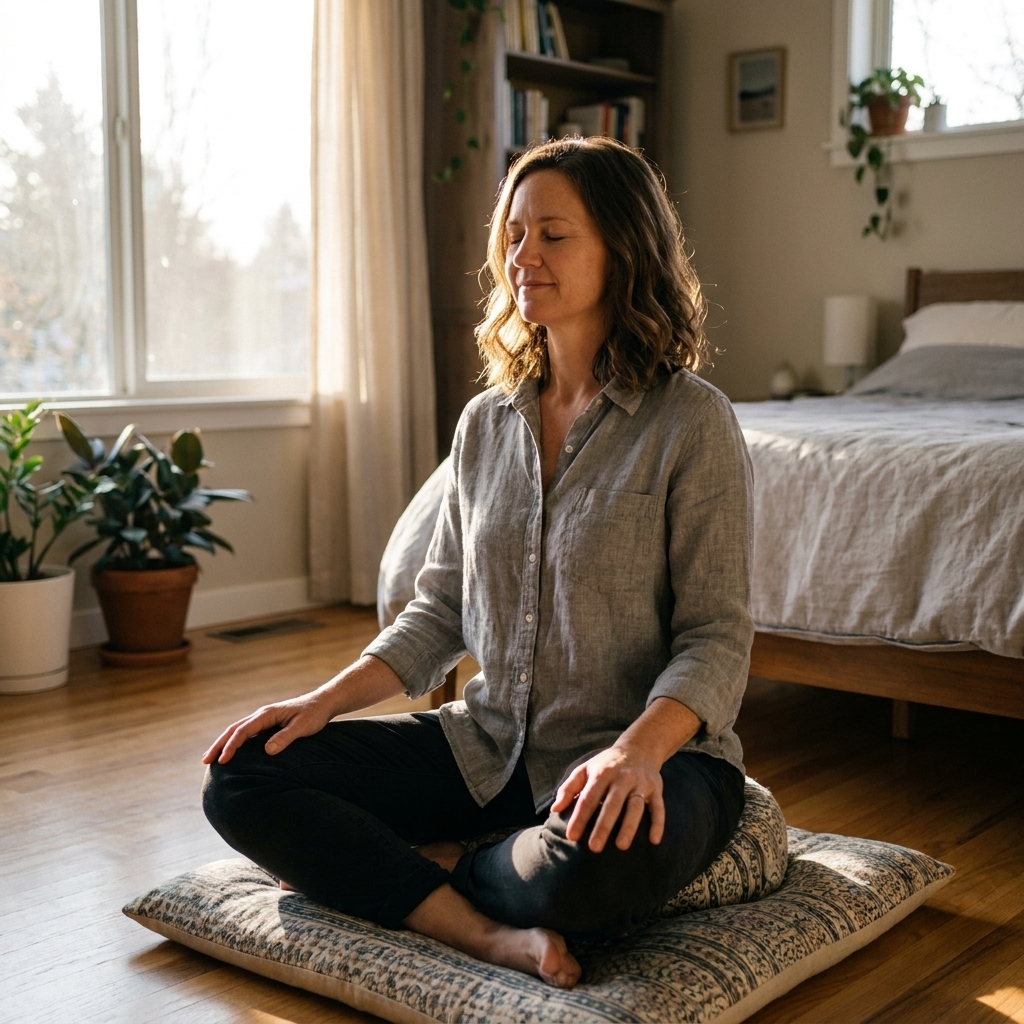
Spiritual yoga treats the body as a doorway, not a destination. Postures matter, but they are one tool among many. The deeper intention is transformation: reducing suffering, cultivating compassion, clarifying awareness, and living with integrity.
Depending on lineage and teacher, spiritual yoga may draw from:
- Patañjali’s Yoga Sutras and the eight-limbed path, including ethics (yamas and niyamas), posture, breath, sense withdrawal, concentration, meditation, and absorption.
- Bhakti (devotional yoga) through prayer, chanting, and love-oriented practice.
- Jnana (wisdom yoga) through self-inquiry and discernment.
- Karma (service) through conscious action and care for others.
- Tantra in some streams, emphasizing embodiment, mantra, and subtle energy, often with careful ethical boundaries. Tantra is also a broad family of traditions, and what a modern studio calls “tantra” may differ greatly from historical Tantra.
How it feels
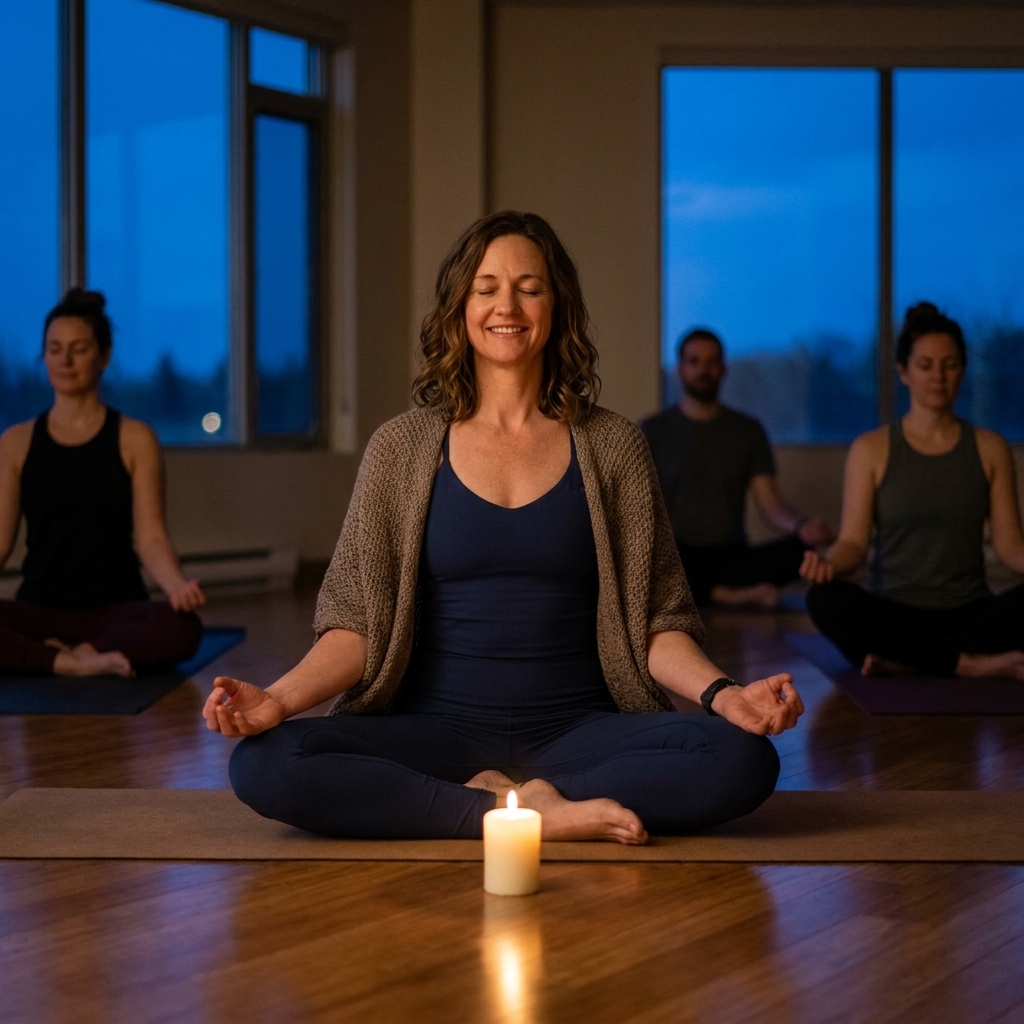
You might move more slowly, pause more often, and spend longer with breath and stillness. Classes may include chanting, a short reading, meditation, or a closing dedication of merit. You may hear language about awareness, liberation, the witness, the heart, or the sacred.
Fitness yoga: movement with benefits
What it is
Fitness yoga prioritizes the measurable and the felt sense in the body: mobility, core strength, balance, recovery, athletic performance, and stress reduction. It often borrows the shapes of asanas while using the language of exercise science, functional movement, and wellness.
This approach can be a gift, especially when it is taught skillfully. Many people find yoga for the first time through fitness classes and discover that the breath and quiet moments arrive naturally once the body feels safer and stronger.
How it feels
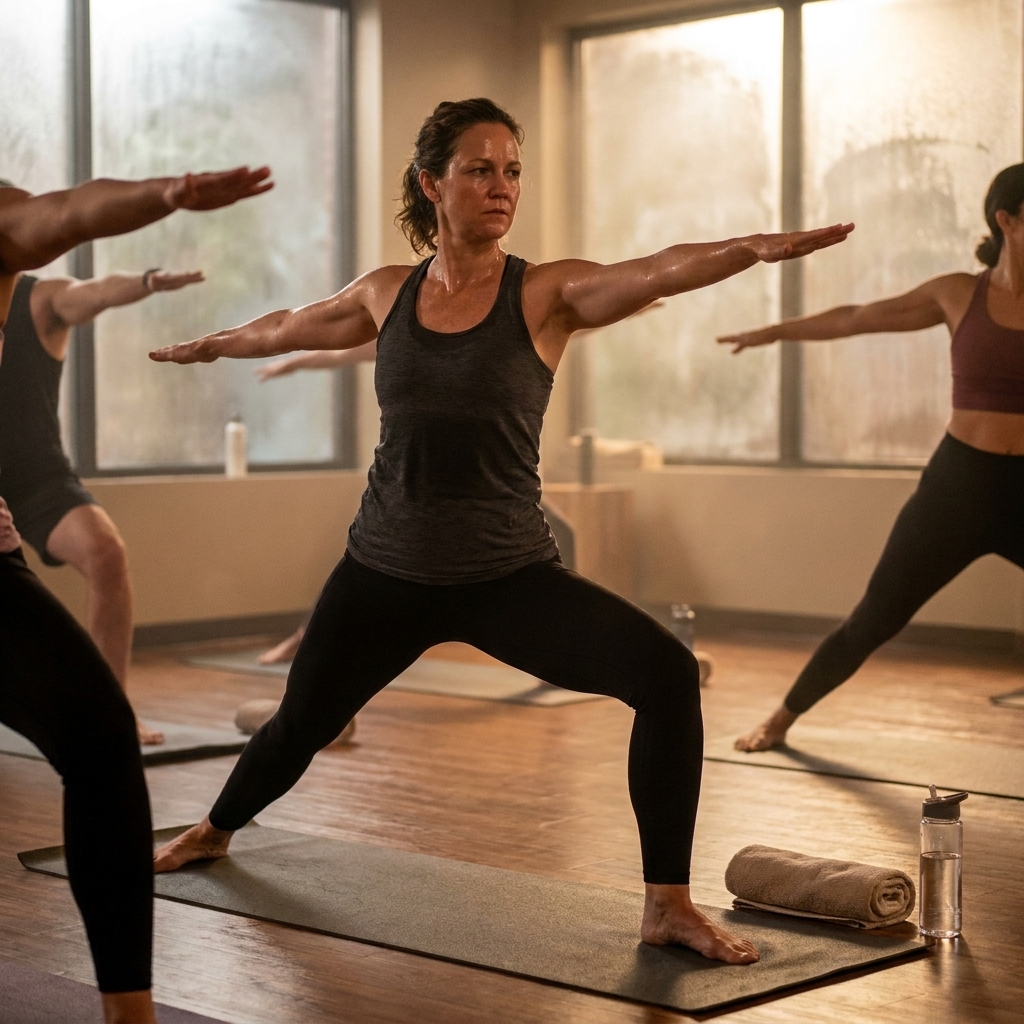
Classes may be fast-paced and heat-building, with cues focused on alignment, muscles, and effort. You might track progress through flexibility, endurance, or how long you can hold a plank. Music is common. Meditation may be brief or absent, and spiritual language is often avoided to keep the space broadly accessible.
If you practice heated yoga, take extra care with hydration and pacing, and be cautious with aggressive breath retention. If you are pregnant, have cardiovascular concerns, experience fainting, or manage other health conditions, it can help to check with a qualified clinician and choose a teacher who offers clear, safe options.
Key differences
1) Intention
- Spiritual yoga: liberation, clarity, compassion, union, reducing suffering, living in alignment.
- Fitness yoga: strength, flexibility, stress relief, athletic cross-training, overall health.
2) Tools
- Spiritual yoga: meditation, pranayama, mantra, ethical inquiry, contemplation, sometimes ritual, plus postures.
- Fitness yoga: postures, sequencing, mobility and strength work, sometimes breath cues and relaxation.
3) Measurement
- Spiritual yoga: “Am I less reactive?” “Do I recover from anxiety faster?” “Am I kinder, more honest, more free?”
- Fitness yoga: “Do my hips feel better?” “Is my balance improving?” “Am I sleeping better?” “Do I have less back pain and more energy?”
4) Language
- Spiritual yoga: may use Sanskrit, discuss texts, name concepts like ahimsa (non-harming) or Ishvara pranidhana (surrender).
- Fitness yoga: tends to use anatomy-based cues and secular language.
5) Community
Neither is automatically more “authentic.” But communities do have atmospheres. Some studios feel more like a gym atmosphere, just with mats. Others feel like a contemplative circle. Many are a blend, and you can usually sense it within one visit.
Where they overlap
It is easy to draw a hard line between spiritual yoga and fitness yoga, but lived experience is rarely so neat.
- A physical practice can become spiritual when attention deepens. A single well-timed exhale can soften the mind more than an hour of striving.
- A spiritual practice still lives in a body. Strength and stability can make meditation more accessible. Pain management, mobility, and nervous system support are not “less than.” They are part of compassion.
- Both may support mental health. Breath-focused movement, relaxation, and community may help reduce stress and improve mood for many people. If you are dealing with significant trauma or anxiety, it can also help to seek a trauma-informed instructor or a licensed therapist alongside your practice.
In my experience leading retreats, the most “spiritual” moment often arrives quietly: when someone notices their own impatience, and chooses gentleness instead.
It is not really a binary
Even the “spiritual vs. fitness” split is a simplification. Many well-known lineages and class styles can hold both aims, depending on the teacher, the room, and your season of life. Iyengar, Ashtanga, Kundalini, yin, restorative, yoga nidra, and classic hatha can all be taught as primarily physical, deeply contemplative, or somewhere in between.
If you want a quick map, these labels often lean one way, without being locked in:
- Often fitness-leaning: Power, Hot, Athletic Vinyasa, Sculpt.
- Often spiritual-leaning: Hatha with philosophy, Asana + Meditation, Pranayama, Yoga Nidra.
- Often blended: Vinyasa with breathwork, Slow Flow, Yin with mindfulness, Restorative with meditation.
Common misconceptions
“Fitness yoga is shallow.”
Not necessarily. Caring for the body can be a spiritual act, especially for people who have lived in survival mode, illness, or disconnection. Strength can be a form of dignity.
“Spiritual yoga is religious, so it is not for me.”
Spiritual yoga can be religious, but it does not have to be. Some teachers frame practice in explicitly Hindu devotional terms. Others teach in a universal contemplative way, emphasizing ethics and awareness without asking you to adopt beliefs. If you are Christian, Jewish, Muslim, Buddhist, atheist, or spiritually uncertain, you can still practice with integrity, especially if you choose a teacher who welcomes your boundaries.
“If it is spiritual, it should never be challenging.”
Gentle does not always mean easy. A mindful hold can be strong. A silent sit can be fierce. The difference is not intensity, but intention.
“If it is fitness, it should always feel good.”
Healthy training includes challenge, but it should not include pressure to ignore pain or push through injury. Yoga is not supposed to be a performance of flexibility.
How to choose
Instead of asking, “Which yoga is best?” try asking, “What do I need in this season of my life?” Here are a few gentle guideposts.
Choose fitness-focused if you are craving:
- Structured movement for strength, mobility, or recovery
- A clear, no-frills approach that supports your workouts or daily function
- Stress relief through sweat and endorphins
- Accessibility without spiritual language
Choose spiritual if you are craving:
- Stillness, self-inquiry, and tools for the inner life
- Breathwork and meditation that extend beyond savasana
- Ethical grounding, meaning, and a sense of purpose
- A practice that supports compassion and emotional regulation
Consider blended if you want:
- Strong movement plus intentional breath and reflection
- Fitness benefits without losing the heart of yoga
- A doorway into meditation that starts with the body
If you are unsure, visit a few classes and pay attention to what happens afterward. Do you feel more at home in yourself? More regulated? More connected? Or do you feel judged, depleted, or pressured to perform?
Teacher and studio signs
Whichever path you choose, the container matters. Here are signs of a healthy, grounded yoga space.
Green flags
- Options are offered without shaming or “pushing through.”
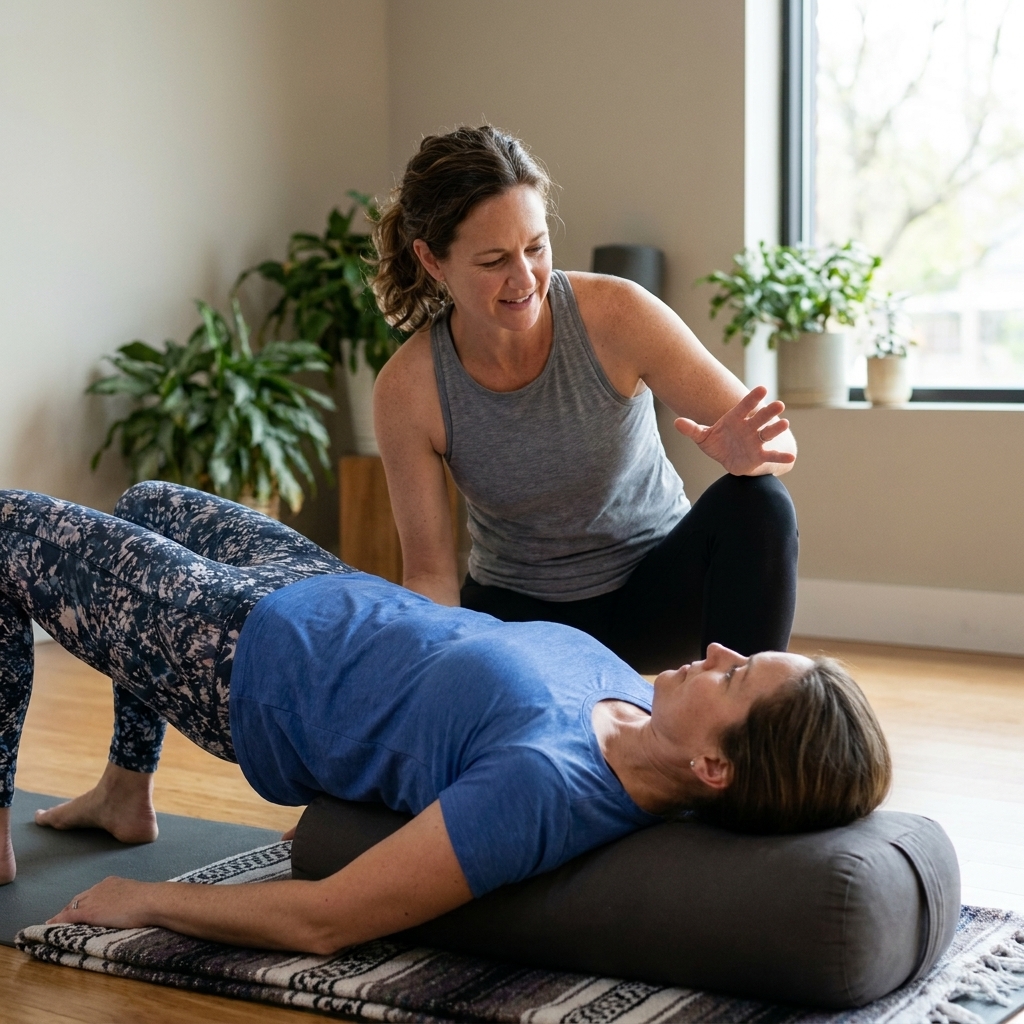
- Consent is respected for hands-on assists.
- Teachers use inclusive language around bodies, age, and ability.
- Breath is taught safely, without extreme holds presented as mandatory.
- The teacher welcomes questions and acknowledges limitations.
Red flags
- Promises of quick enlightenment, instant healing, or miracle cures.
- Pressure to buy costly memberships, trainings, or guru access to be “serious.”
- Shaming language about weight, flexibility, or “good” bodies.
- Inappropriate intimacy, blurred boundaries, or a culture of secrecy.
- Medical claims that replace professional care.
Yoga should increase discernment, not diminish it.
Spirituality with respect
Because yoga has roots in South Asian spiritual traditions, many thoughtful practitioners wonder about respect, appropriation, and integrity. You do not have to get this perfect to begin, but you can practice with care.
- Learn the context. A basic understanding of yoga history and philosophy helps you honor the tradition rather than flatten it.
- Be wary of costume spirituality. You do not need exotic props or performative language to be sincere.
- Choose teachers who name their sources. A good teacher can say where their teachings come from and how they were trained.
- Use Sanskrit thoughtfully. If you chant or use Sanskrit terms, learn what they mean and pronounce them as respectfully as you can. If you are not sure, it is okay to keep it simple.
- Hold your own faith gently. If you belong to another religious tradition, you can adapt practices like breath awareness, compassion, and mindfulness in ways that support your commitments.
Bring spirit into any practice
You do not need to change studios, buy a harmonium, or memorize Sanskrit to practice yoga as a mind-body discipline. Try one small shift for two weeks.
- Set an intention. Not a performance goal, but a heart direction like patience or courage.
- Practice one conscious breath per pose. Let the breath lead the movement, not the other way around.
- End with a dedication. Quietly offer the benefit of your practice to someone who needs steadiness, including yourself.
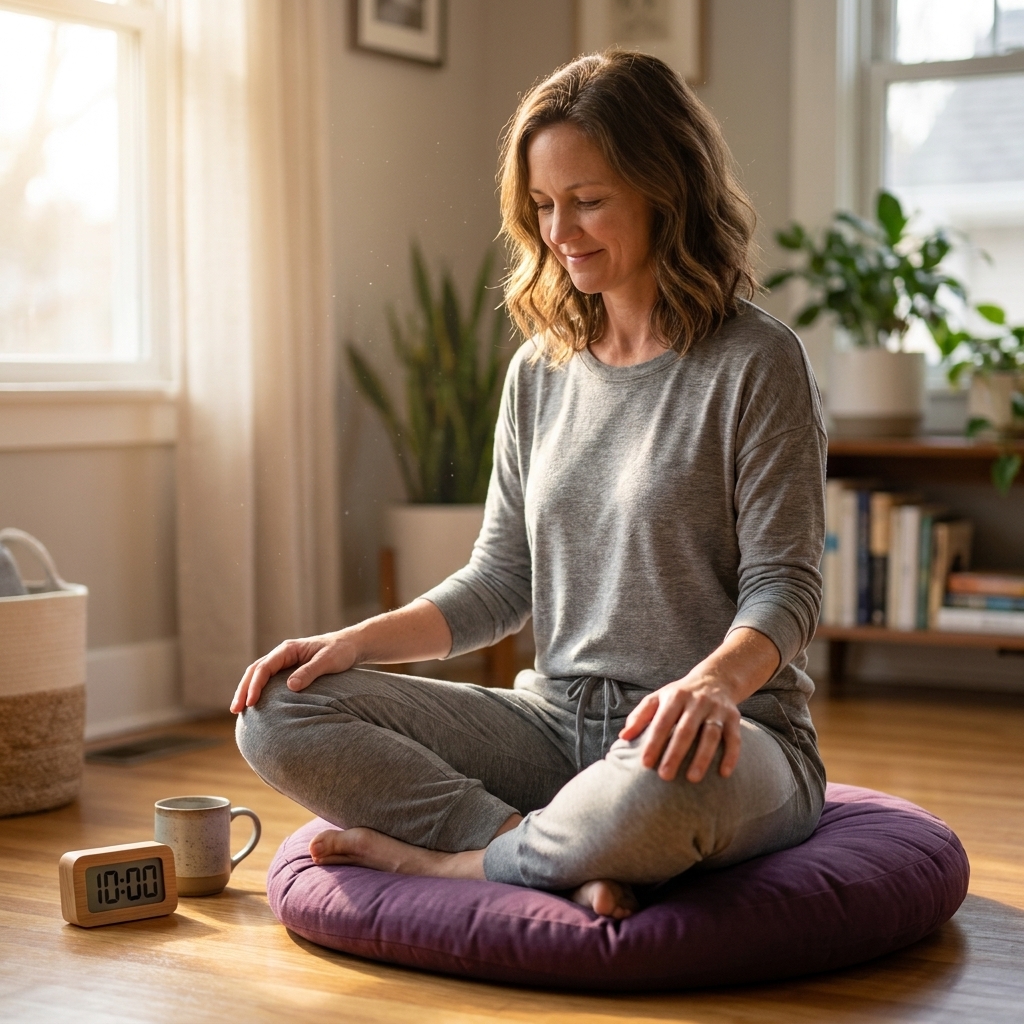
- Bring in a short sit. Two minutes of stillness after class can change the whole day.
- Live one yama or niyama. Try ahimsa by speaking to your body as you would to a friend.
FAQ
Can yoga be spiritual without being religious?
Yes. Spiritual yoga can be framed as training attention, ethics, and compassion, without requiring specific beliefs. If religious language is uncomfortable, look for teachers who invite reflection but do not demand agreement.
Is fitness yoga still “real” yoga?
It can be, especially when taught with respect for breath, safety, and the deeper aim of reducing suffering. Even when it is primarily exercise, it can still be a meaningful practice that supports health and self-connection.
Do I need meditation to call it spiritual yoga?
Meditation is one of the most direct ways yoga works with the mind, but spirituality can also be present through devotion, service, ethical living, and mindful breathing. If sitting still feels impossible, begin with breath and gentle attention in motion.
What if I only want the workout?
That is allowed. Bodies need care. You can choose a fitness-focused class and still practice kindness toward yourself. Over time, many people find that quiet moments start to matter more than expected.
How often should I practice?
Consistency matters more than intensity. Two to four sessions a week is common for physical progress, but even ten minutes a day of breath and gentle movement may support the nervous system. If you are managing injury or health conditions, check with a qualified clinician and choose a teacher experienced in modifications.
Closing reflection
In nearly every tradition I have studied, the sacred shows up when we stop forcing life to be someone else’s shape. So if you choose a modern fitness class, let it be a wholehearted choice. If you choose a spiritual path, let it be grounded and humble. And if you choose both, you are in good company. The human heart often learns through many doors.
Wherever you practice, may your mat become a small place of truth. Not perfection. Just truth, breathed one moment at a time.